
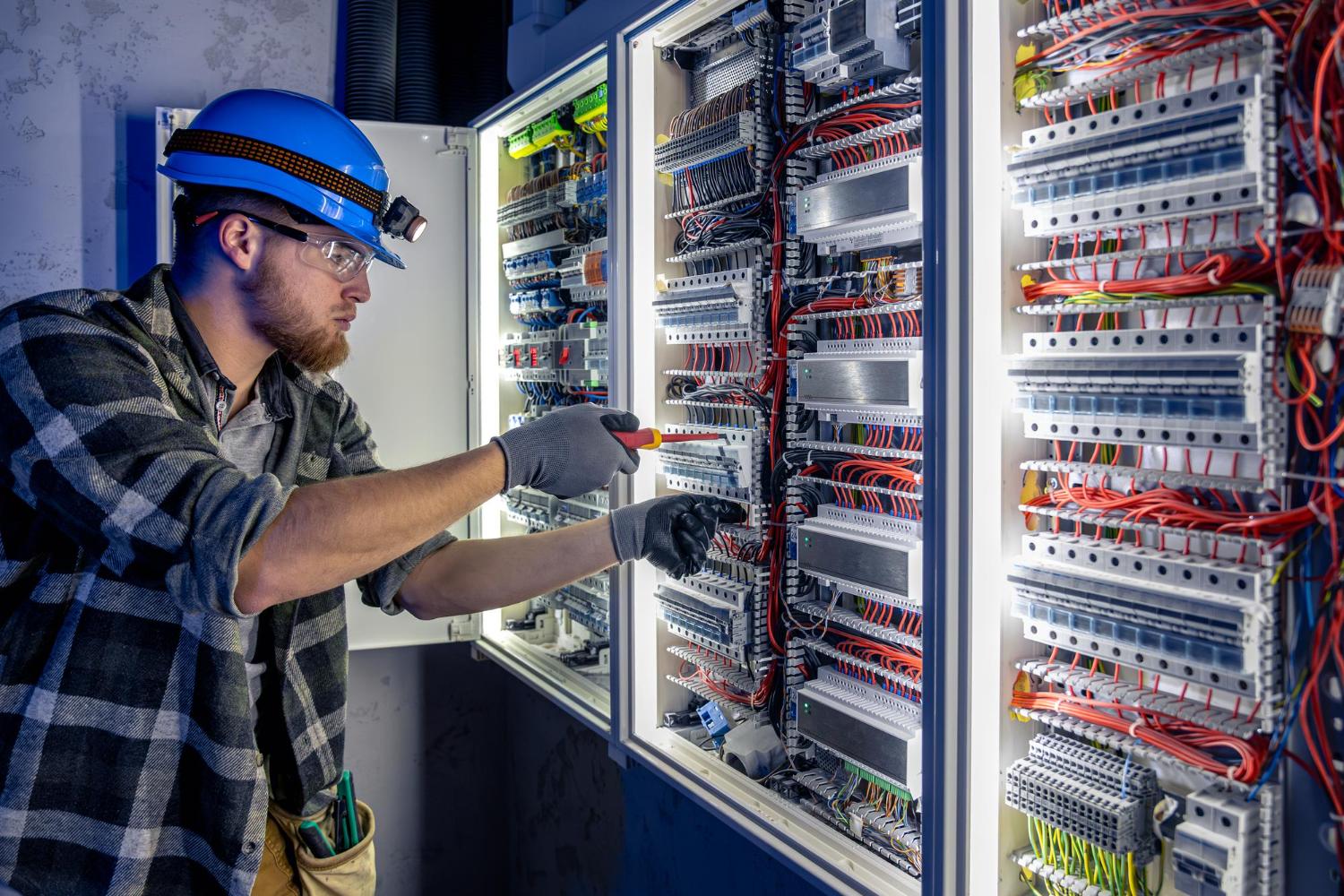
Mastering Shed Wiring: Essential Tips from Shed Wiring Experts
When it comes to installing electrical systems in your shed, safety and efficiency are crucial. Proper wiring can elevate your shed from a simple storage space to a fully functional workshop or home office. This guide offers comprehensive insights from shed wiring experts, ensuring your shed electrical project is a success. Whether you’re a homeowner or DIY enthusiast, learn how to wire your shed safely and effectively.
Why Shed Wiring Matters
A well-wired shed can transform your property, adding both value and functionality. However, mistakes in wiring can lead to short circuits, safety hazards, or non-compliance with local regulations. Professionals, especially shed wiring experts, emphasize the need for meticulous planning, appropriate materials, and adherence to legal standards.
Steps to Wiring a Shed
1. Plan Your Wiring Layout
Before you begin, create a detailed plan of where switches, outlets, lights, and appliances will go. This ensures you have the right number of circuits and prevents overloading the system. Consider what equipment your shed will house — larger tools like saws or refrigerators require dedicated circuits.
2. Choose the Right Materials
When selecting materials, use high-quality wires, conduits, and fittings. Electrical wires should be moisture-resistant for outdoor use. Shed wiring experts recommend investing in proper circuit breakers for added safety. Consult your local code to ensure materials meet requirements.
3. Install Load Center and Run Wiring
A load center, sometimes called a sub-panel, is necessary for sheds with multiple circuits. This connects your shed to the main panel in your home. Carefully lay the ground wire to establish a secure electrical connection from your main building to the shed.
4. Test for Safety
It’s important to test your wiring after installation. Use a voltage tester to identify potential problems and verify that all circuits are working effectively. Re-inspect connections to ensure lasting reliability, and confirm grounding to protect against electrical shocks.
Key Stats and Best Practices
- Zoning and Permits: Statistics show that nearly 40% of DIY shed wiring projects fail initial inspections due to non-compliance with local electrical codes.
- Safety Standards: According to OSHA, grounding significantly reduces electrocution risks in outdoor spaces.
- Professional Assistance: Hiring certified shed wiring experts results in an average of 30% fewer errors during installation compared to DIY projects.
Conclusion
Wiring a shed requires careful planning, quality materials, and proper installation. By following industry best practices outlined above, you can safely power up your shed while ensuring compliance with regulations. For complex installations, enlisting the help of shed wiring experts guarantees professional, long-lasting results.