
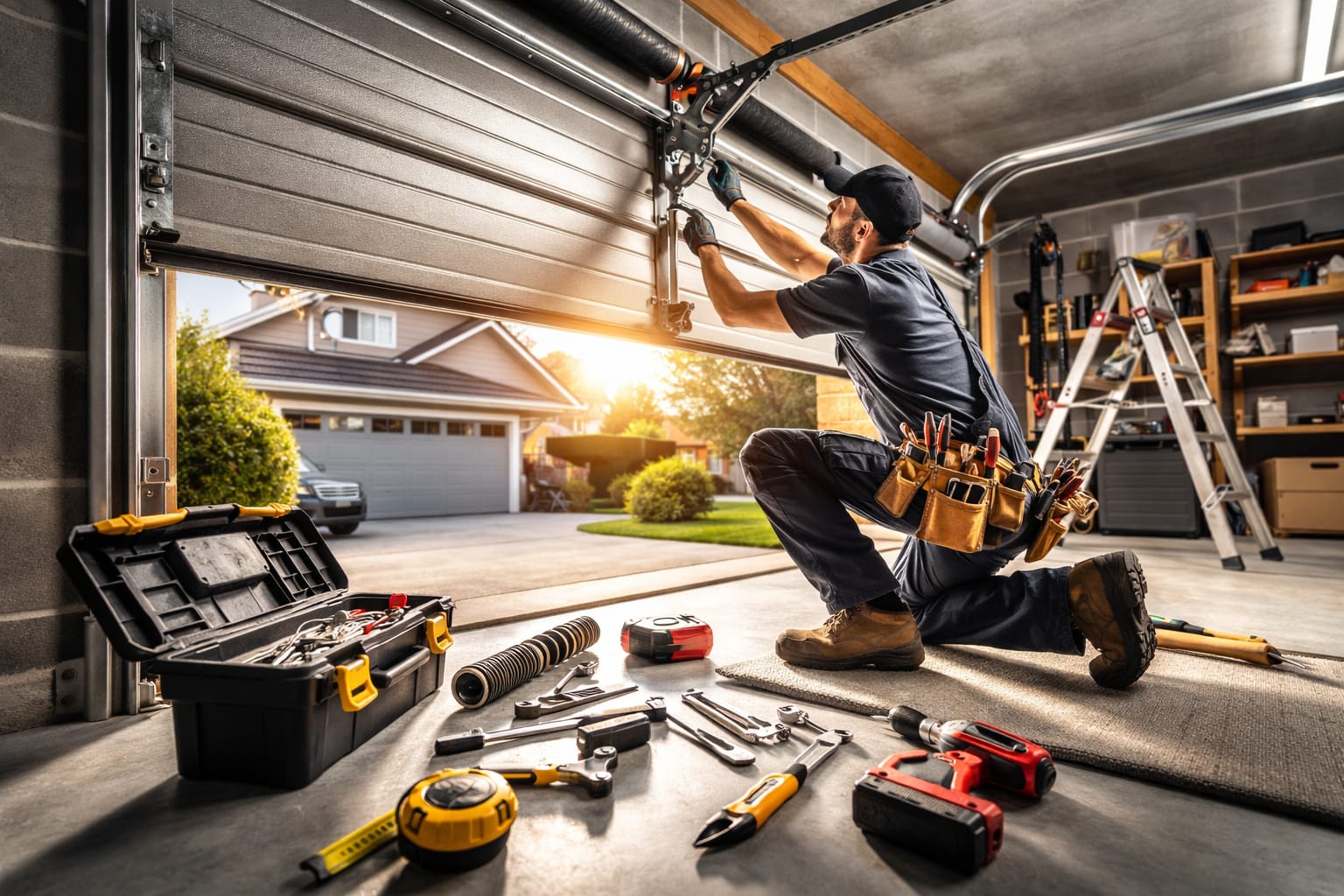
When Your Door Won’t Roll: A Practical Look at garage roller door repairs and b&d roller garage doors
There’s a weirdly specific kind of frustration that comes with a stuck or noisy garage door — it’s like your whole morning grinds to a halt because one panel won’t move smoothly. Most people don’t think about their garage door until it doesn’t cooperate, and that’s exactly when you start hearing terms like garage roller door repairs being thrown around in a slightly panicked tone. And if you’ve got b&d roller garage doors on your property, you’ll want to understand both how to keep them running well and when it’s time to call in help before a minor issue becomes a full-on jam session you didn’t ask for.
Let’s unpack this in a way that actually makes sense — no buzzwords, no confusion, just useful info.
The Reality of Garage Roller Door Repairs
Most of the time, people imagine garage roller door repairs as dramatic job-site scenes with sparks and loud tools. The truth? A surprisingly large portion of issues start small:
- A worn spring that squeaks before it fails
- A bent track that nudges the rollers off course
- A remote that starts acting flaky
- A panel that rubs instead of glides
These tiny quirks often snowball if you ignore them. A noisy door isn’t just annoying — it’s usually telling you something’s off with alignment, tension, or lubrication. Speakers of “it’ll be fine for now” often end up talking about it later from the driveway while sipping slightly too much coffee.
Getting ahead of these things with proper garage roller door repairs means fewer surprise breakdowns and more predictable mornings.
What’s Special About B&D Roller Garage Doors
If you’re dealing with b&d roller garage doors, you’re working with a system designed for durability and smooth operation — when it’s set up and maintained right. These doors are popular for good reasons: they roll up neatly, save space, and can handle daily use without drama.
But like all mechanical systems, they can start to show wear over time. Springs weaken, motors get tired, tracks shift slightly, and seals can wear. The good news is that with doors like b&d roller garage doors, many of these issues show subtle signs before they become major problems. That’s where timely repairs make all the difference.
Simple things like a door that hesitates at the top of its travel or a slight wobble in the panel might feel minor — until you try to leave for work five minutes late and the door decides that’s a great time to stick.
DIY vs Professional Repairs — What You Should Really Know
There’s nothing wrong with a bit of DIY pride, but garage roller door repairs are one of those things where caution pays off. These doors are balanced with springs under tension. Mishandling them can lead to more problems — or worse, personal injury.
Professional technicians don’t just fix the symptom; they check the whole system. That means:
- Testing spring tension
- Aligning tracks so the door doesn’t bind
- Adjusting the motor and limit settings
- Lubricating pivot points correctly
- Inspecting cables and safety features
Especially with b&d roller garage doors, technicians familiar with the brand’s nuances can save time and spare you repeated call-backs.
Everyday Tips to Avoid Big Repairs
You don’t need to obsess over your garage door, but a few simple habits make a big difference:
Listen First
If your door starts sounding rattly, squeaky, or uneven, note it. Those early hints often mean a small fix is sufficient.
Keep It Clean
Dust and grime in tracks can add resistance. A quick wipe now and then keeps things smoother.
Don’t Ignore Resistance
If you feel the door slow or stick, that’s a sign tension or alignment needs checking before it becomes a full stop.
Final Thoughts
A well-functioning garage door — especially b&d roller garage doors — is one of those things you only fully appreciate when it works without thought. The moment it doesn’t, every exit and return suddenly feels like a negotiation. Smart garage roller door repairs aren’t about waiting for failure. They’re about spotting the subtle clues, acting early, and trusting that a reliable system saves time, stress, and money in the long run.
In other words: a smoothly rolling door means your day starts — and ends — right. And that’s a win everyone can appreciate.