
What is a PV System? A Simple Guide to Solar Power
Are you looking for ways to lower your monthly bills? With the cost of electricity always on the rise, many homeowners are searching for a better solution. It can feel like you’re stuck paying whatever the power company decides to charge. But what if you could generate your own clean energy, right from your rooftop?
That’s the magic of solar power. The technical name for a complete solar energy setup is a photovoltaic system, often shortened to “PV system.” It sounds complicated, but it’s actually a straightforward and powerful way to take control of your home’s energy.
What Exactly is a Photovoltaic System?
Let’s break down the name. “Photo” means light, and “voltaic” relates to electricity. So, a photovoltaic system is simply something that turns light into electricity. It’s a complete package that works together to harness the power of the sun for your home.
The Key Parts
Every PV system has a few main components that work as a team.
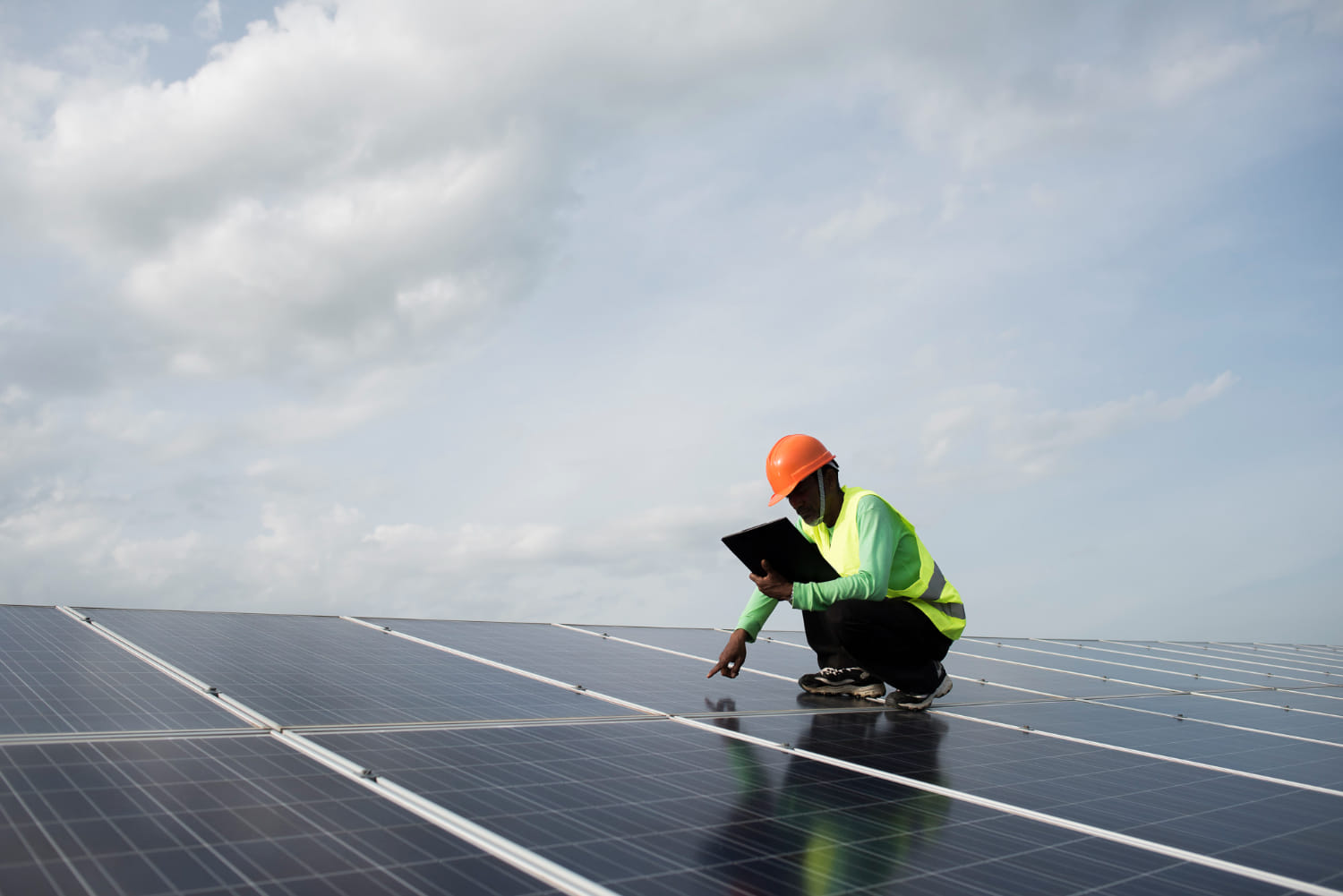
- Solar Panels: These are the most visible part. The dark panels on your roof are designed to catch sunlight. They are the workhorses of the entire system.
- An Inverter: This is the brain of the operation. The panels create a type of power (DC) that your home can’t use. The inverter’s job is to change it into the right kind of power (AC) for your lights and appliances.
- Racking: This is the strong frame that holds the panels securely on your roof. It’s designed to withstand wind and weather, keeping your investment safe.
- A Battery (Optional): You can also add a solar battery. This allows you to store any extra power you create during the day so you can use it at night or during a power outage.
How Does It Power Your Home?
The process of turning sunlight into usable electricity is fascinating but simple to understand. It happens silently on your roof every single day.
A Simple Step-by-Step
- The sun shines down on your solar panels.
- The panels absorb the sunlight and instantly create DC electricity.
- This electricity travels from the panels down to the inverter.
- The inverter converts the DC power into AC power.
- This AC power then flows into your home’s main electrical panel, powering everything inside.
If your system makes more power than you need, the extra energy is usually sent back to the public power grid. Your utility company will often give you a credit for this extra power, which helps lower your bill even more.
The Big Benefits of a PV System
Installing a photovoltaic system is a big decision, but it comes with some amazing benefits that make it a smart investment.
- Lower Your Electric Bills: This is the biggest draw for most people. By producing your own power, you buy much less from the utility company. For some, the bill can drop to almost zero.
- Help the Environment: Solar is a clean, renewable source of energy. It doesn’t create pollution, so you’ll be doing your part to fight climate change.
- Increase Your Home’s Value: Homes with a solar system already installed are very attractive to buyers. It’s a modern upgrade that can make your home sell faster and for more money.
Conclusion
A photovoltaic system is more than just technology; it’s a path to saving money, protecting the environment, and gaining energy independence for your family.