
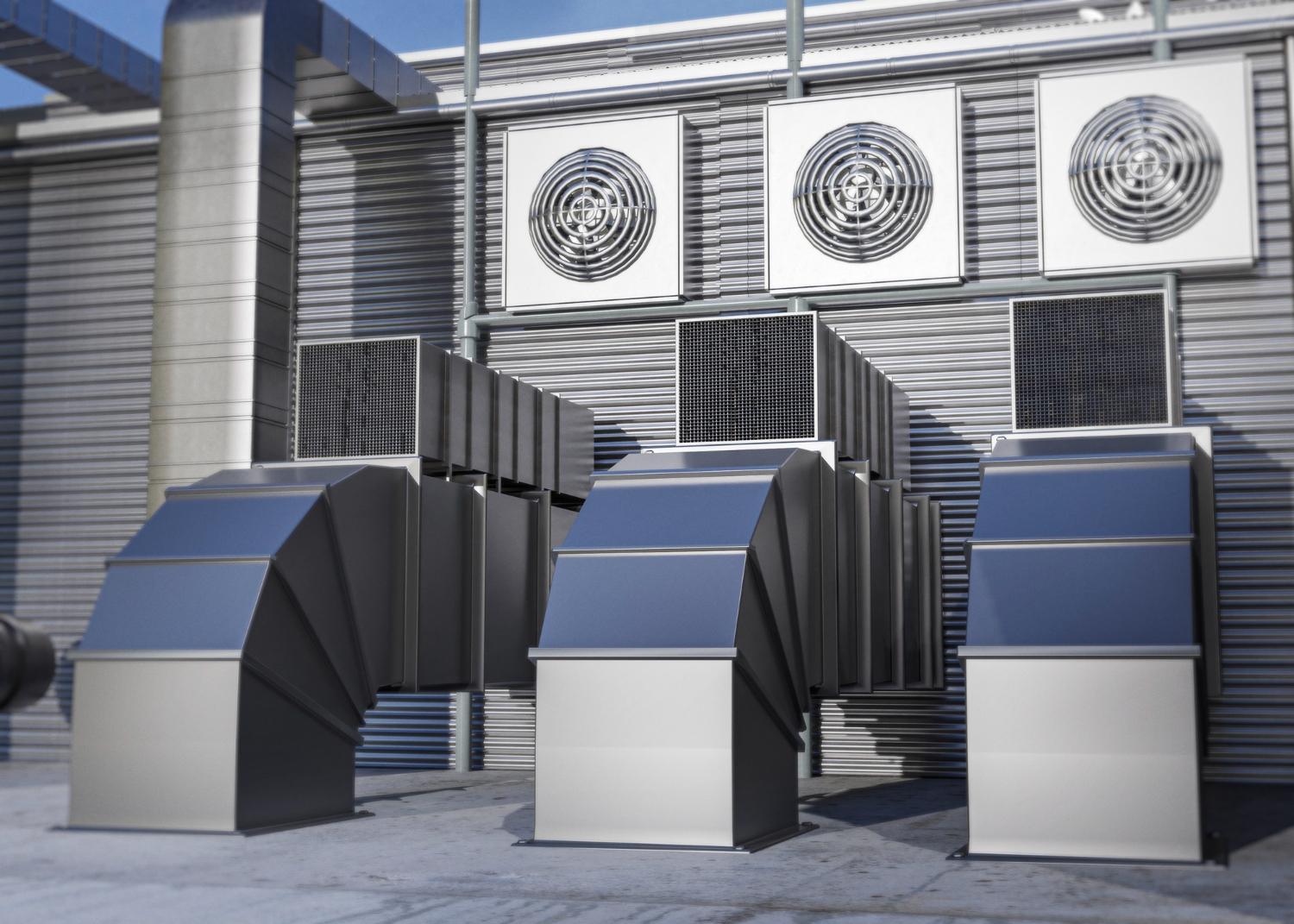
Efficient Climate Control Solutions: Exploring VRF Air Conditioning Systems
VRF, or Variable Refrigerant Flow, air conditioning systems are a state-of-the-art technology designed to provide zoned cooling and heating. Unlike conventional HVAC systems, VRF systems utilise refrigerant as the cooling and heating medium, offering greater flexibility and energy efficiency. This innovative technology has been gaining popularity in both residential and commercial settings, and for good reason.
If you’re on the quest for an efficient, cost-effective, and environmentally friendly climate control solution with AC installation, you’ve come to the right place. This guide will dive in and discover how VRF air conditioning systems can revolutionise your approach to cooling and heating your space.
Advantages of VRF Air Conditioning Systems
- Energy Efficiency: VRF air conditioning systems are known for their exceptional energy efficiency. By utilising variable speed compressors and smart controls, VRF systems adjust the flow of refrigerant based on real-time demand, resulting in significant energy savings.
- Zoned Control: One of the standout features of VRF systems is their ability to provide zoned cooling and heating. This means that different areas or rooms within a building can be set to different temperatures, allowing for personalised comfort and optimised energy usage.
- Quiet Operation: VRF air conditioning systems operate with minimal noise, making them particularly suitable for environments where noise pollution is a concern. Whether it’s a residential space, office, or hospitality setting, the quiet operation of VRF systems enhances the overall comfort of the environment.
- Design Flexibility: With their compact indoor units and flexible piping requirements, AC installation offers greater design flexibility compared to traditional HVAC systems. This makes them ideal for both new construction projects and retrofit applications, allowing for seamless integration into diverse building layouts.
- Environmentally Friendly: As sustainability becomes an increasingly important consideration, VRF air conditioning systems stand out for their eco-friendly attributes. The energy-efficient operation of VRF systems translates to reduced carbon emissions and a smaller environmental footprint, aligning with modern green building practices.
In Conclusion
In conclusion, VRF air conditioning systems represent a game-changing solution for efficient climate control. The benefits of energy efficiency, zoned control, quiet operation, design flexibility, and environmental friendliness make VRF systems a compelling choice for those seeking advanced AC installation options. Whether you’re a homeowner, facility manager, or architect, the versatility and performance of VRF air conditioning systems position them as a key player in the future of climate control technology.
Ready to embrace the advantages of VRF technology? Explore the world of VRF air conditioning systems and take your approach to cooling and heating to the next level.