
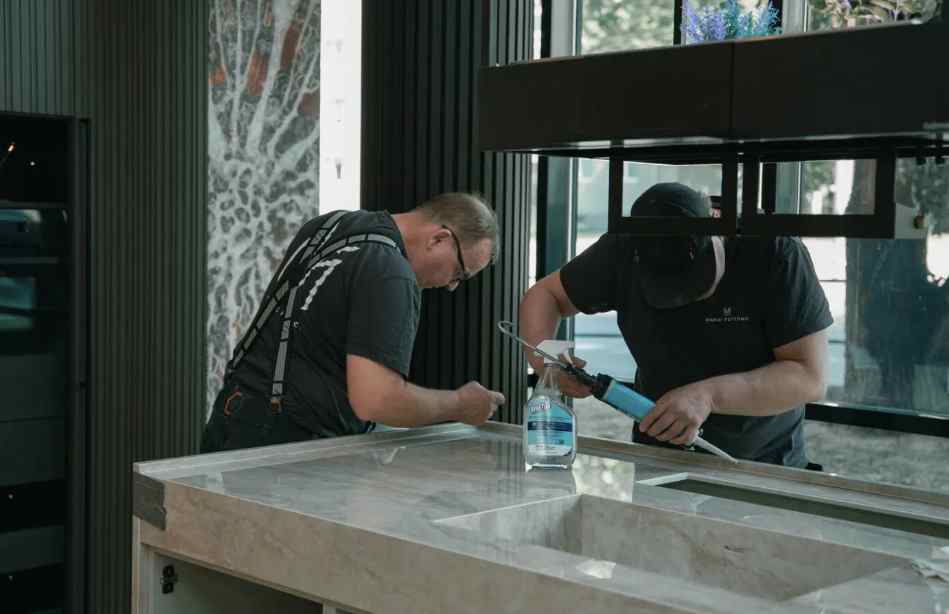
High-Performance Commercial Stone Installation for Durable Results
If you are managing a large-scale project, the bottom line is this: commercial stone installation requires specialized engineering and high-performance adhesives to withstand heavy foot traffic. Residential methods fail in commercial environments. To ensure long-term ROI, you must prioritize substrate stabilization and moisture management before the first slab is even laid.
In my experience overseeing large fit-outs, the mistake I see most often is prioritizing the “look” of the stone while ignoring the technical specifications of the setting bed. This leads to cracked tiles and hollow spots within months.
Why Does Commercial Stone Installation Require Specialized Skills?
Commercial projects aren’t just larger; they are technically more demanding. Unlike a private bathroom, a hotel lobby or shopping center floor must handle thousands of impacts daily.
Professional installation focuses on:
- Load Distribution: Ensuring the stone can handle heavy equipment or high traffic.
- Thermal Expansion: Incorporating movement joints to prevent “tenting” or cracking.
- Chemical Resistance: Using the right grouts and sealers for commercial cleaning protocols.
What are the Main Causes of Installation Failure?
The most common issues I encounter in the field aren’t due to the stone itself, but the environment it was placed in.
1. Inadequate Substrate Preparation
If the concrete slab underneath is still off-gassing or has high moisture content, it will blow the bond between the adhesive and the stone. Always perform a calcium chloride or RH test first.
2. Poor Adhesive Coverage
In my experience, “spot bonding” (the “dot and dab” method) is a recipe for disaster in commercial settings. You need 95% to 100% coverage to ensure there are no air pockets that could collapse under heavy loads.
3. Ignoring Expansion Joints
Stone expands and contracts. If your installer doesn’t align movement joints with the substrate’s joints, the stone will crack. It’s not a matter of if, but when.
How Do You Choose the Right Stone for Your Project?
Not every beautiful stone is fit for a commercial foyer. You need to look at the Coefficient of Friction (COF) for safety and the Absorption Rate for stain resistance.
- Granite: Best for high-traffic exterior and interior floors.
- Marble: Ideal for vertical features or low-impact luxury areas.
- Quartzite: A great middle-ground for durability and aesthetics.
What Is the Long-Term ROI of Professional Installation?
When you invest in high-tier installation, you are essentially buying a “zero-maintenance” window for the first few years.
Here is what actually works for your budget:
- Lower Liability: Flat, lippage-free floors reduce trip-and-fall risks.
- Structural Longevity: Correctly bonded stone can last the entire life of the building.
- Brand Image: Cracked or shifting stone looks cheap and neglected, hurting your property value.
Final Thoughts
Choosing the right team for your project is about more than just a quote; it’s about technical precision. Quality commercial stone installation prevents the need for costly tear-outs and ensures your facility remains safe and professional.
If you are currently in the planning phase, don’t rush the substrate prep. Verify your installer’s experience with large-format materials and heavy-traffic specifications to ensure the job is done right the first time.