
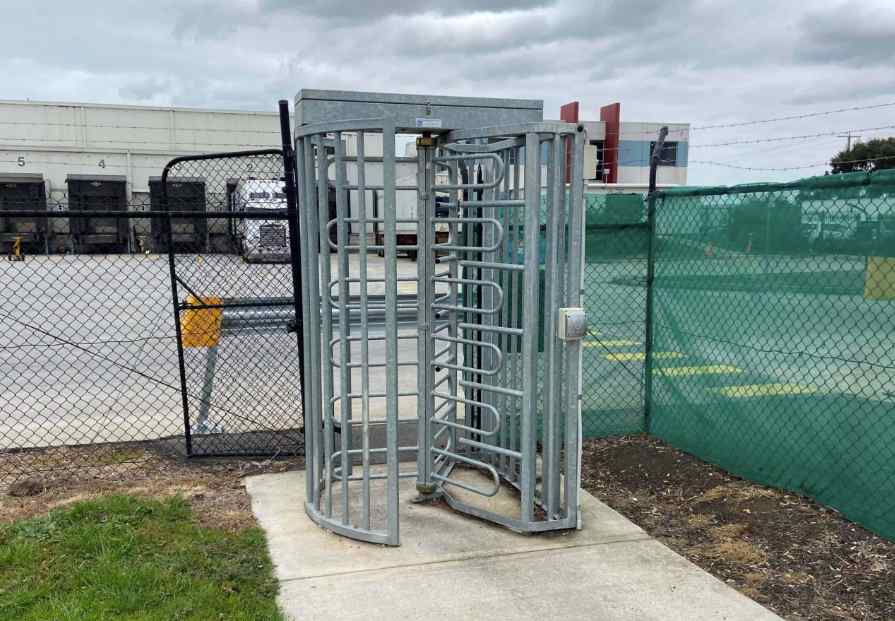
Why a Turnstile Gate Is Essential for Modern Access Control
Security and controlled access are top priorities for businesses, institutions, and public facilities. Whether it’s an office building, stadium, school, or industrial site, managing the flow of people efficiently is critical.
A turnstile gate provides a practical and reliable solution for regulating entry and exit points. Designed to enhance security while maintaining smooth movement, turnstiles are now a key component of modern access control systems.
The Role of a Turnstile Gate in Access Management
A turnstile gate helps control pedestrian traffic by allowing one person to pass at a time. This controlled movement prevents unauthorized access and reduces the chances of tailgating.
In high-traffic environments, manual monitoring can be difficult and inefficient. Installing a turnstile gate automates the entry process, ensuring that only authorized individuals can gain access through card readers, biometric systems, or access codes.
Enhancing Security and Accountability
Security is one of the main reasons organizations invest in turnstile systems. By integrating with access control software, each entry and exit can be recorded and tracked.
This level of accountability helps businesses monitor attendance, manage visitor access, and improve overall safety. In sensitive areas, such as data centers or research facilities, a turnstile gate adds an extra layer of protection.
Common Applications of Turnstile Gates
Turnstile gates are versatile and suitable for a wide range of environments. Their adaptability makes them a popular choice for both indoor and outdoor installations.
- Corporate Offices: Managing employee and visitor access.
- Stadiums and Event Venues: Controlling large crowds efficiently.
- Educational Institutions: Enhancing campus security.
- Industrial Facilities: Restricting entry to authorized personnel only.
- Public Transport Stations: Streamlining passenger flow.
These applications highlight the importance of reliable access control in maintaining order and security.
Key Benefits of Installing a Turnstile Gate
One major advantage of a turnstile gate is improved operational efficiency. Automated systems reduce the need for constant security personnel at entry points, saving time and labor costs.
Another benefit is better crowd management. Turnstiles guide foot traffic in an organized manner, reducing congestion and confusion during peak hours. This is particularly important in high-traffic areas like transport hubs and entertainment venues.
Turnstile gates also enhance professional appearance. A well-designed entry system gives visitors a strong first impression, reflecting a company’s commitment to safety and organization.
Conclusion
Selecting the right turnstile gate depends on your specific security and operational needs. Consider factors such as location, expected foot traffic, and required level of security.
You should also evaluate integration capabilities with existing access control systems. Features like biometric compatibility, RFID access, and remote monitoring can significantly enhance functionality.
Durability is another important factor, especially for outdoor installations exposed to weather conditions. High-quality materials and reliable engineering ensure long-term performance and minimal maintenance.
By investing in the right turnstile gate, organizations can strengthen security, improve traffic flow, and create a safer, more controlled environment for employees and visitors alike.